Product classification
Contact Us
B1 grade rubber and plastic insulation board and pipe
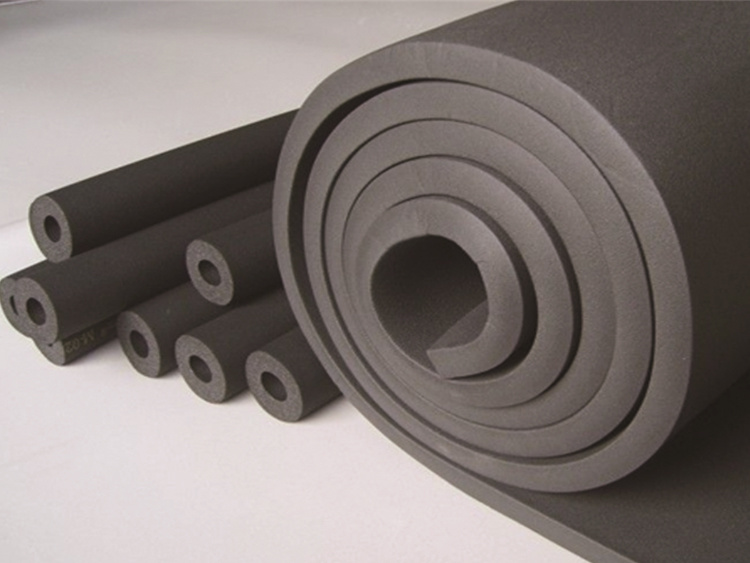
Due to the high flexibility of this product, installation is easy and convenient. For pipe installation; it can be installed together after being put on, or the pipe material can be cut longitudinally and then bonded with molybdenum foil tape.
B2 grade rubber and plastic insulation board and pipe
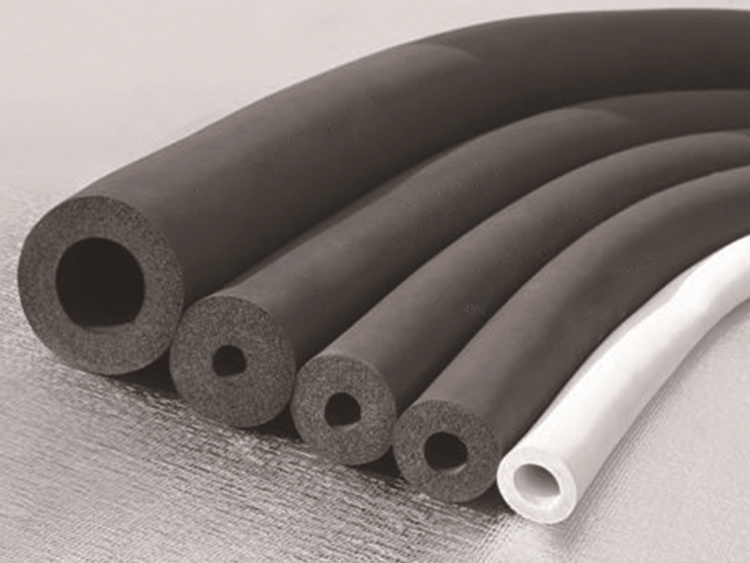
The use of elastomeric insulation materials is primarily based on the technical requirements for insulation materials in GB50019-2003 "Code for Design of Heating, Ventilation and Air Conditioning".
Air conditioner dedicated rubber and plastic tube
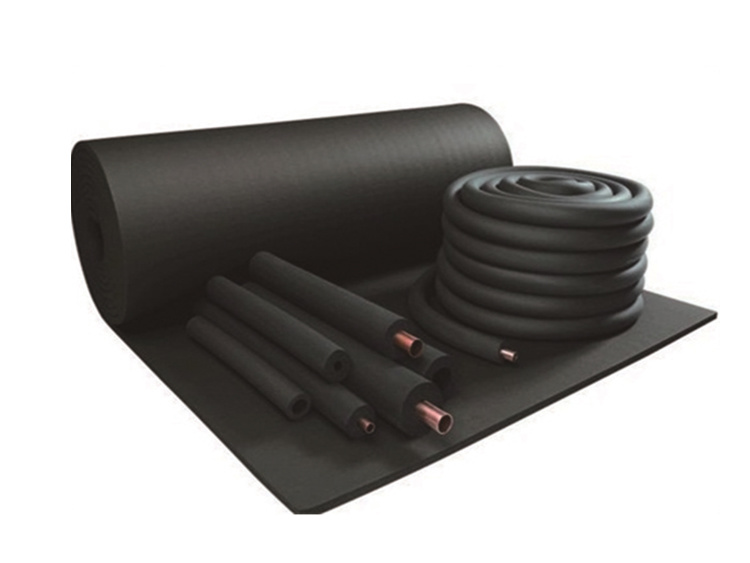
The use of elastomeric insulation materials is primarily based on the technical requirements for insulation materials in GB50019-2003 "Code for Design of Heating, Ventilation and Air Conditioning".
Class 1 elastomeric insulation products for engineering applications
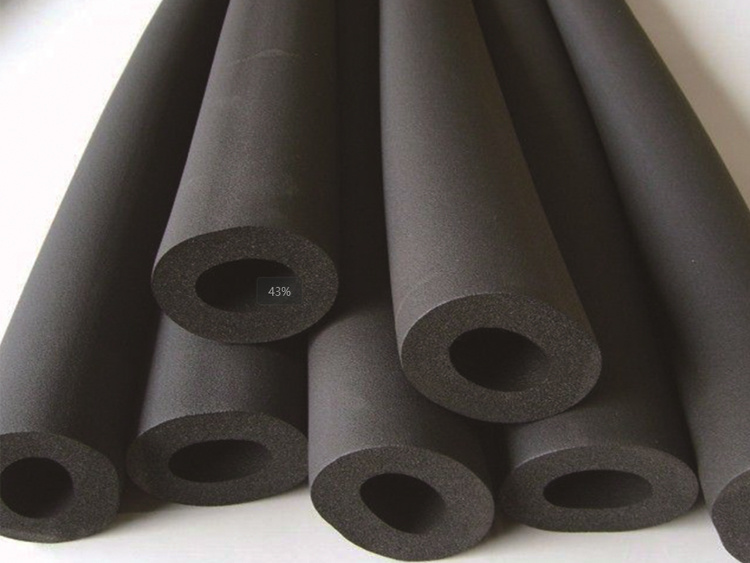
Jin Hao Group's Class 1 elastomeric insulation products for engineering applications are widely used in the thermal insulation of water pipe systems, air duct systems, and refrigeration and freezing equipment in commercial/industrial air conditioning, as well as in hot water pipes and process pipelines.
Composite veneer rubber and plastic insulation products
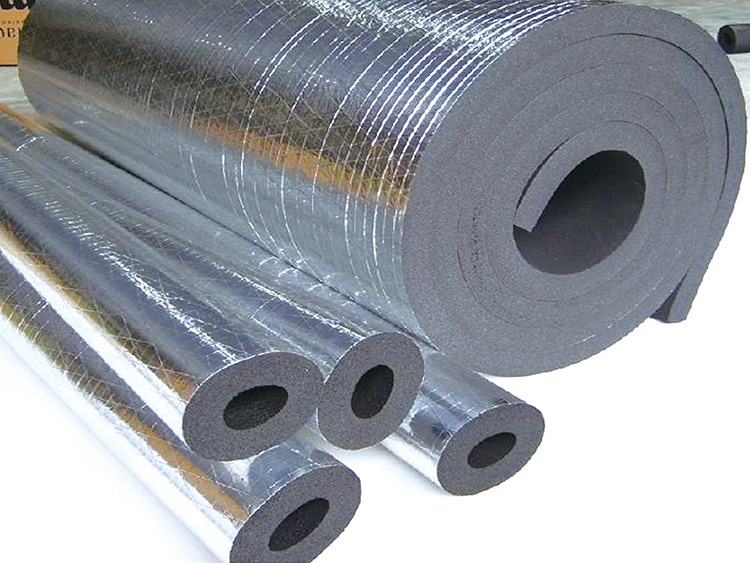
Provides perfect protection for the platinum molybdenum layer. This coating improves the platinum molybdenum layer's resistance to ultraviolet light, oxidation, friction, acids and alkalis, and corrosion.
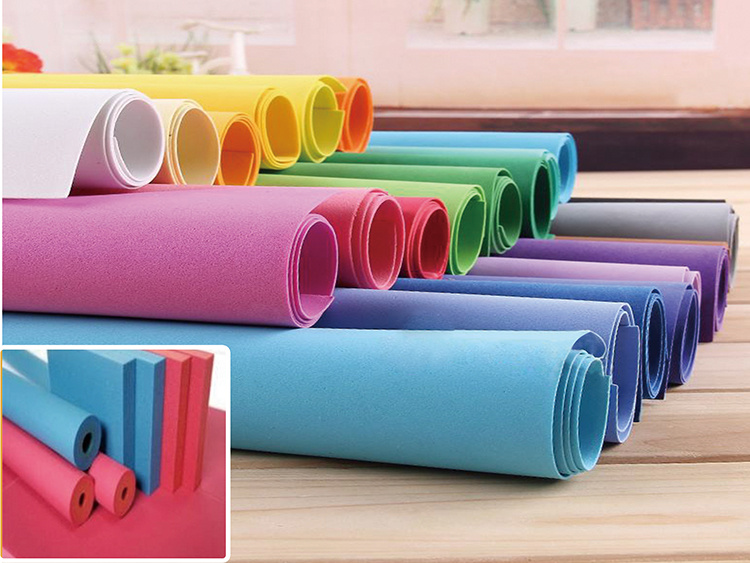
Colored rubber and plastic products
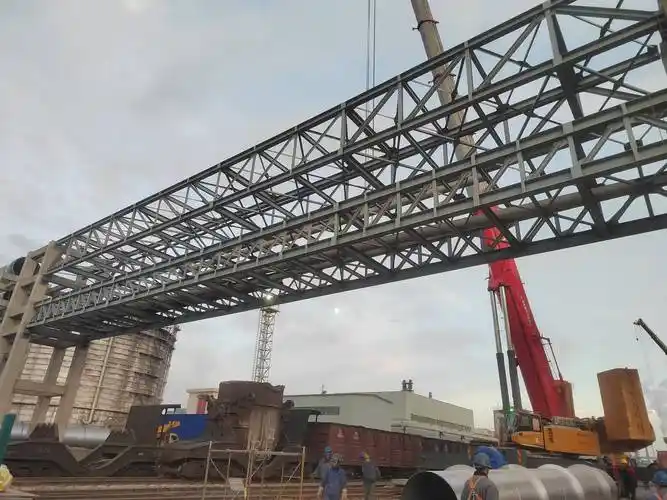
Metallic luster surface, high-end appearance, providing different color appearances to match the needs of different building interior and exterior designs. Easy to clean and maintenance-free.
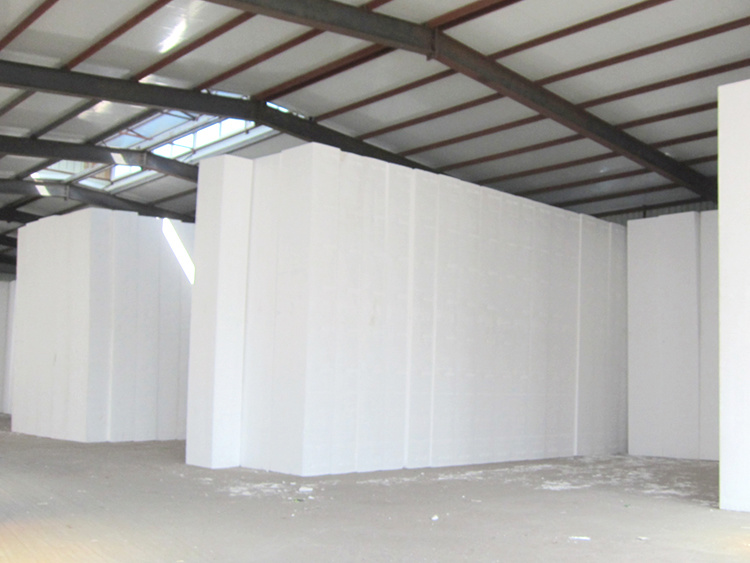
The product is widely used in: home roof insulation, roof insulation, corrugated iron house insulation, factory insulation, cement structure insulation, concrete structure insulation, steel structure insulation, square roof insulation and heat preservation, indoor insulation, outdoor wall insulation and heat preservation, etc., with remarkable effects.
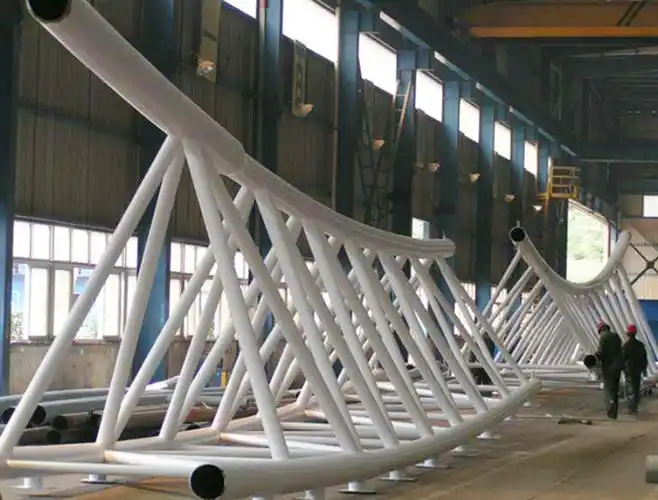
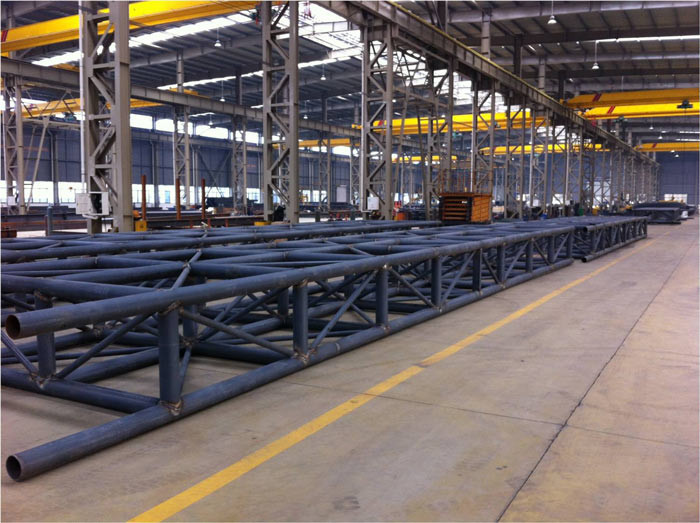
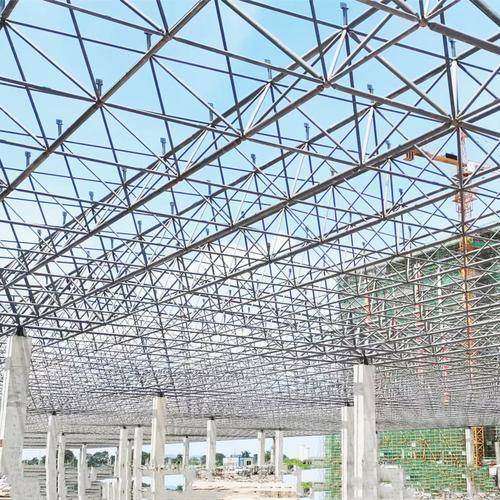
Commonly used trusses include steel trusses, reinforced concrete trusses, prestressed concrete trusses, wooden trusses, steel-wood composite trusses, and steel-concrete composite trusses. Trusses are classified by shape into triangular trusses, trapezoidal trusses, polygonal trusses, parallel chord trusses, and open-web trusses. When selecting a truss form, the purpose, material, support method, and construction conditions of the truss should be considered comprehensively. Under the premise of meeting the requirements of use, the materials and labor used in manufacturing and installation should be minimized.
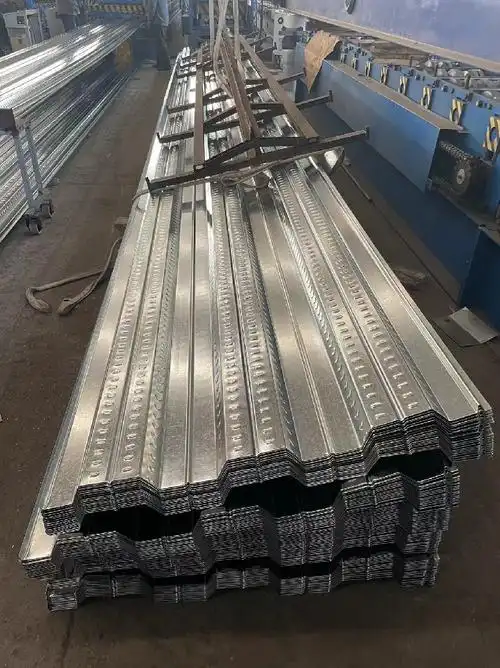
The pressed steel plates supporting the floor concrete are called pressed steel plates, also known as floor decking or steel decking. They are divided into three categories: open floor decking, closed floor decking, and closed floor decking.
Commonly used trusses include steel trusses, reinforced concrete trusses, prestressed concrete trusses, wooden trusses, steel-wood composite trusses, and steel-concrete composite trusses. Trusses are classified by shape into triangular trusses, trapezoidal trusses, polygonal trusses, parallel chord trusses, and open-web trusses. When selecting a truss form, the purpose, material, support method, and construction conditions of the truss should be considered comprehensively. Under the premise of meeting the requirements of use, the materials and labor used in manufacturing and installation should be minimized.